Choosing the right AI marketing tool for a small business comes down to three core factors: integration capabilities, specific problem-solving focus, and scalability. To select the right software, you must prioritize tools that automate your most time-consuming manual tasks rather than adding new layers of management to your workflow. Start by auditing your current bottlenecks, assessing the platform's ability to maintain your brand voice, and ensuring the software connects directly with your existing tech stack.
What are your primary marketing bottlenecks?
Before researching tools, conduct an honest audit of your daily operations. According to a 2024 report by McKinsey, the most effective AI implementations in small enterprises are those that target specific, high-friction areas such as customer segmentation and content volume rather than attempting to automate the entire marketing ecosystem at once. Ask yourself: Is it social media scheduling that eats your time, or is it the creative process of content ideation?
Does the tool offer genuine automation or just basic templates?
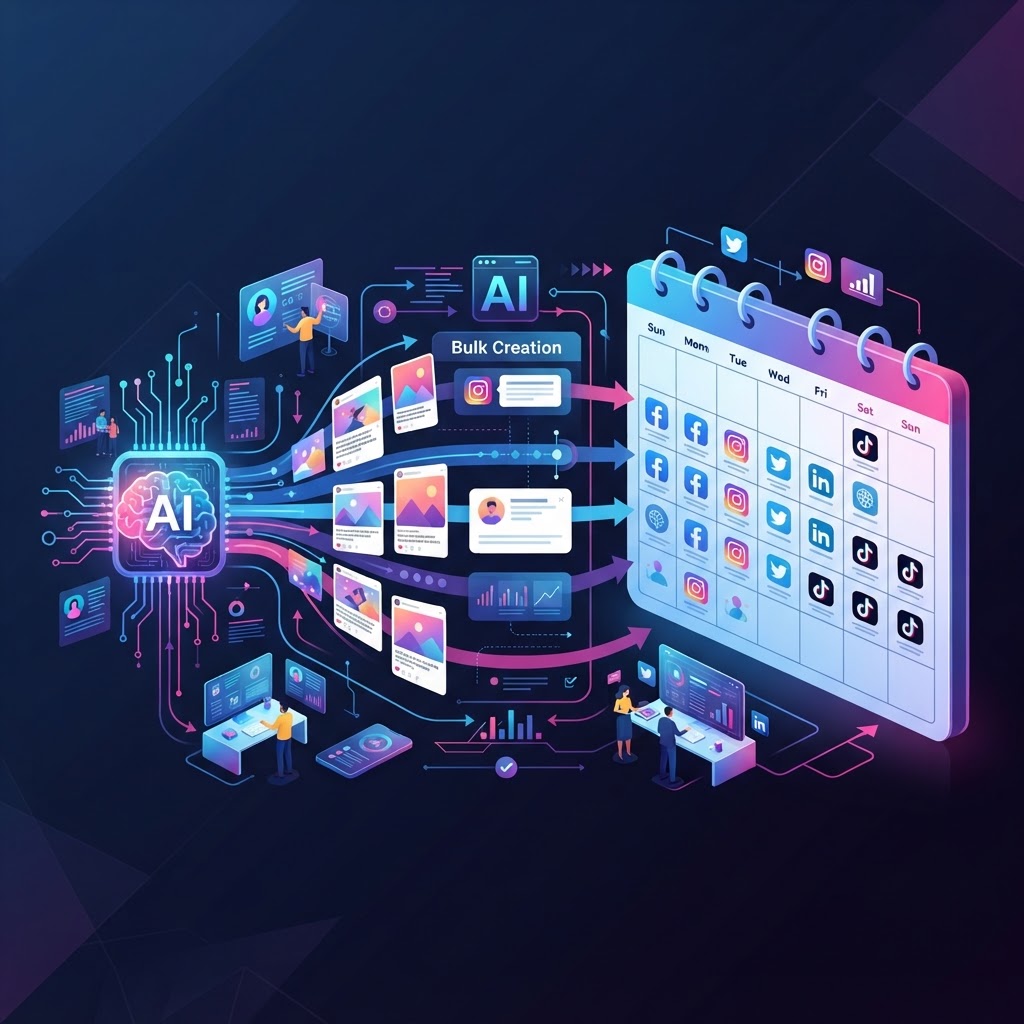
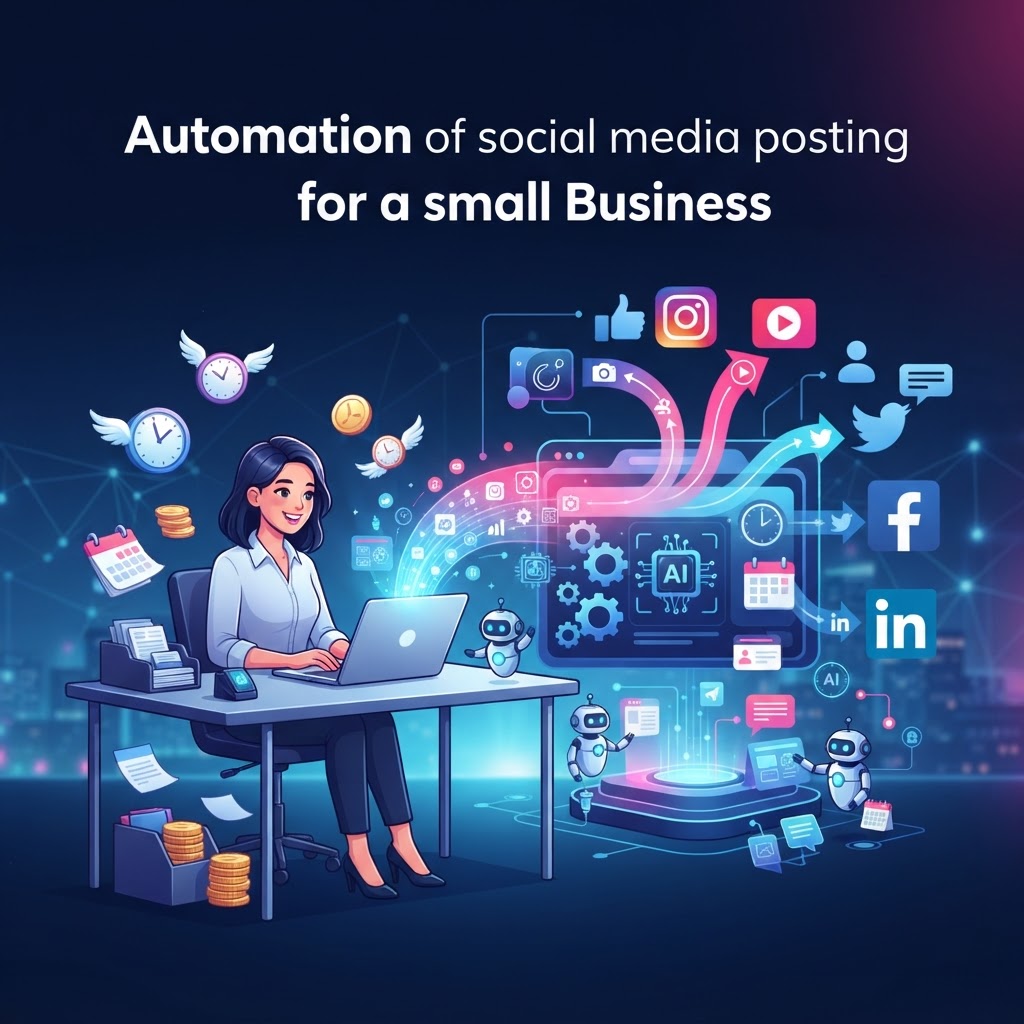
There is a significant difference between a tool that generates text and a platform that provides marketing automation. Many basic AI apps require you to manually copy-paste content into your social channels, which fails to save actual time. Look for platforms that support automated social media posting and end-to-end campaign management. If the software doesn't post for you, it is merely a content assistant, not an automation solution.
How well does the AI maintain your specific brand voice?
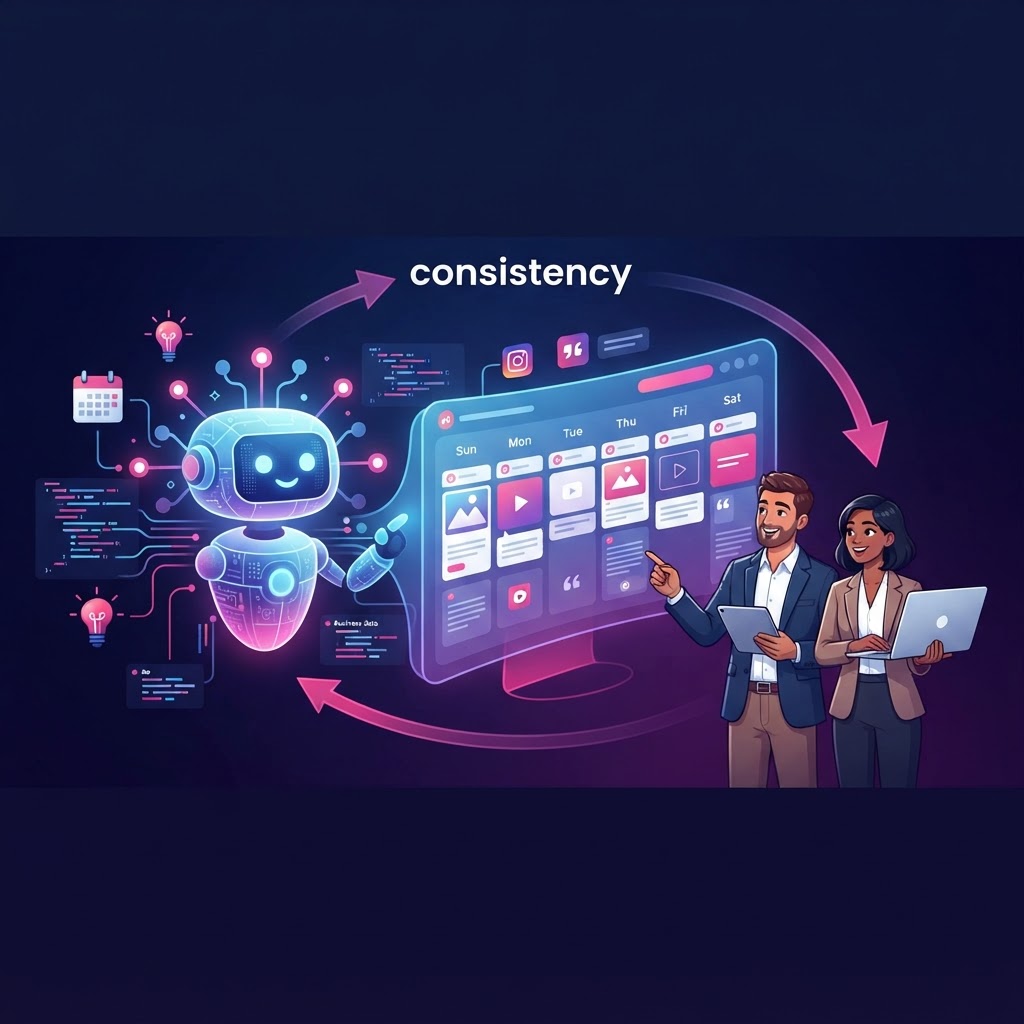
One of the biggest risks in adopting AI is "brand drift," where your communications lose their unique human touch. Ensure any tool you choose allows for custom brand guidelines, tone-of-voice training, and oversight controls. Using AI content creation tools that cannot be fine-tuned often leads to generic, repetitive messaging that fails to resonate with your local audience.
Putting It Into Practice
Follow these steps to make your decision: First, create a list of your top three manual marketing tasks. Second, look for tools that offer a free trial or a specific "small business" tier to test compatibility with your workflow. Third, verify that the platform offers multi-channel support—don't trap yourself in a tool that only works for one platform if you manage an omni-channel presence. If you feel overwhelmed, consider starting with a full-service AI marketing assistant that handles both strategy and execution.
How PromoMax Can Help
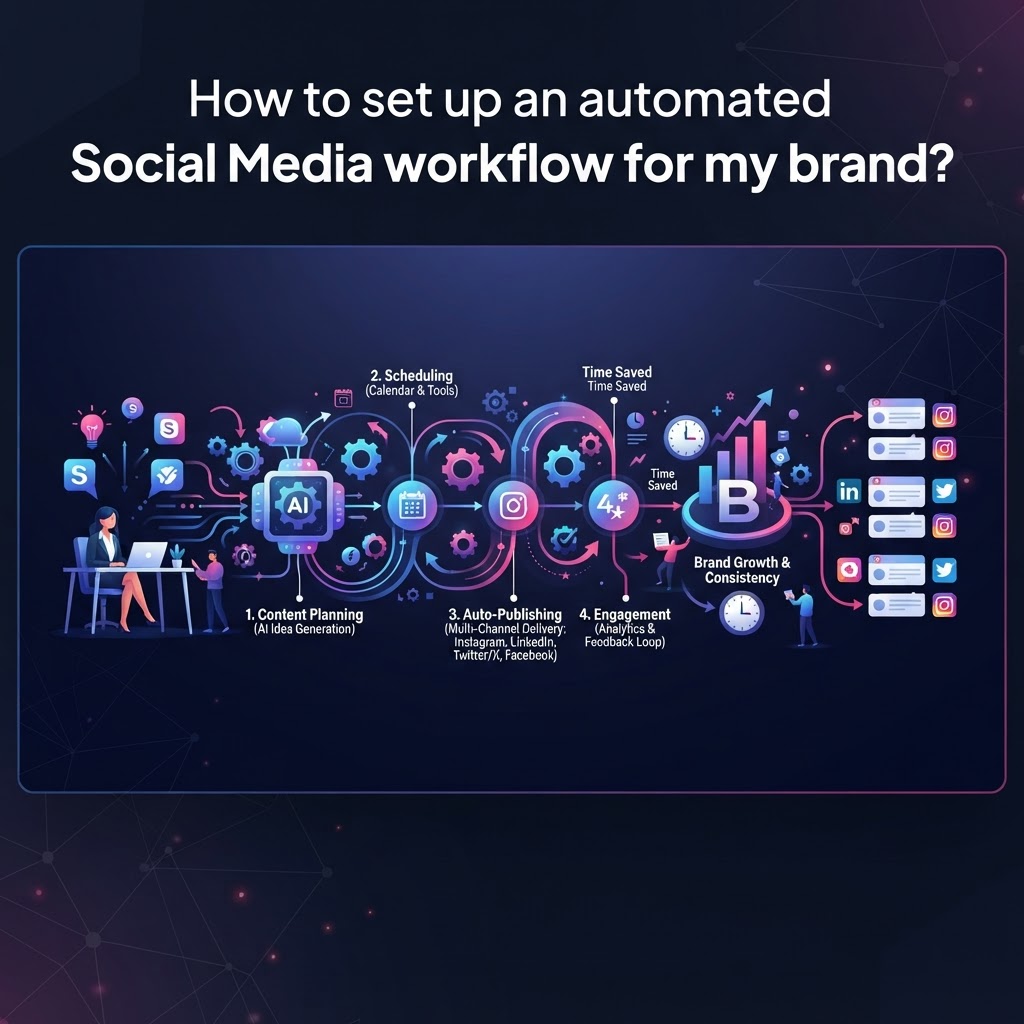
PromoMax simplifies this choice by moving away from fragmented tools toward a unified system. Instead of juggling a caption generator, a design tool, and a scheduler, PromoMax uses AI marketing agents to handle the heavy lifting. By integrating your strategy with automated marketing workflows, you reduce the time spent on repetitive tasks while ensuring your brand voice remains consistent across every touchpoint.
Related Reading- Hootsuite vs Buffer vs PromoMax: which is best for a small business?
- AI Content Governance: Ensuring Brand Consistency in Automated Posts
- The ROI of Switching from Manual Marketing to AI-Powered Automation
Frequently Asked QuestionsDo I need technical skills to use AI marketing software?
Most modern AI marketing platforms are designed for non-technical small business owners. If you can use a standard email client or social media app, you possess the skills necessary to operate these tools.
Will AI tools replace my need for a marketing strategy?
No, AI is a tool for execution, not strategy. While it can help analyze data, you must define your goals and target audience to ensure the AI's output remains effective.
How do I prevent my marketing from sounding robotic?
Choose platforms that allow you to upload your own writing samples or brand guidelines. Consistency in your brand voice settings is key to ensuring the AI mimics your human touch.
Is it cheaper to use one "all-in-one" tool or multiple niche apps?
Usually, an all-in-one tool is more cost-effective. Managing multiple subscriptions for design, scheduling, and analytics quickly increases overhead costs and creates data silos.
Your AI Marketing Team, Working 24/7
Stop wasting hours on manual posting and fragmented workflows. PromoMax gives you the power of a full marketing team, executing your strategy automatically while you focus on running your business. Experience the shift from manual work to full automation today.
- Hootsuite vs Buffer vs PromoMax: which is best for a small business?
- AI Content Governance: Ensuring Brand Consistency in Automated Posts
- The ROI of Switching from Manual Marketing to AI-Powered Automation
Frequently Asked Questions
Do I need technical skills to use AI marketing software?
Most modern AI marketing platforms are designed for non-technical small business owners. If you can use a standard email client or social media app, you possess the skills necessary to operate these tools.
Will AI tools replace my need for a marketing strategy?
No, AI is a tool for execution, not strategy. While it can help analyze data, you must define your goals and target audience to ensure the AI's output remains effective.
How do I prevent my marketing from sounding robotic?
Choose platforms that allow you to upload your own writing samples or brand guidelines. Consistency in your brand voice settings is key to ensuring the AI mimics your human touch.
Is it cheaper to use one "all-in-one" tool or multiple niche apps?
Usually, an all-in-one tool is more cost-effective. Managing multiple subscriptions for design, scheduling, and analytics quickly increases overhead costs and creates data silos.
Your AI Marketing Team, Working 24/7
Stop wasting hours on manual posting and fragmented workflows. PromoMax gives you the power of a full marketing team, executing your strategy automatically while you focus on running your business. Experience the shift from manual work to full automation today.