Small businesses operate in a paradox: they need consistent, high-quality marketing to survive, yet they lack the massive budgets or dedicated teams that big brands enjoy. Historically, this gap felt impossible to bridge. Today, artificial intelligence acts as the ultimate equalizer. You may not be able to outspend a global corporation, but you can absolutely out-automate them by leveraging AI to execute high-level marketing tasks at a fraction of the cost and time.
Short on time? Enter your website and see what it would write for your business — free, in about 30 seconds.
The Evolution of the Marketing Playing Field
The "Small Business Marketing Challenge" isn't just about money; it’s about throughput. Big brands have the bandwidth to produce daily content across five social platforms, send personalized emails, and run optimized ad campaigns simultaneously. For a small business owner, that is a full-time job on top of actually running the business. AI transforms this equation by acting as a force multiplier. It turns a one-person shop into a lean, content-generating machine capable of maintaining a professional brand presence that rivals industry leaders.
Strategic Implementation: Where to Start
The biggest mistake small business owners make is attempting to "do everything" with AI at once. Instead, focus on these three high-impact areas to build your foundation:
1. Content Ideation and Drafting
The "blank page" syndrome kills more marketing campaigns than bad ideas. Use Large Language Models (LLMs) like ChatGPT or Claude not to write your final copy, but to act as a strategic partner. The Tactic: Feed the AI your company’s "brand voice document" (a one-page summary of your values, target audience, and tone). Then, ask it to generate a 30-day content calendar based on three core pillars of your business. The Step: Instead of asking for a generic "blog post about coffee," ask, "Act as an expert copywriter. Create five LinkedIn post outlines targeting remote workers who struggle with morning productivity, focusing on the health benefits of our specific dark roast." This provides a structure that requires minimal editing to humanize.
2. Visual Asset Production
Professional photography and graphic design used to be a significant barrier. With tools like Midjourney, DALL-E 3, or Canva’s Magic Studio, you can generate custom imagery for social media headers, blog thumbnails, and ad creative.
The Tactic: Create a consistent visual style by using "style reference" prompts. If you want a minimalist, clean aesthetic for your brand, save that prompt structure.
The Step: Stop using generic stock photos that look like everyone else’s. Use AI to create situational images—like a product being used in a specific, cozy home office setting—that align perfectly with the context of your specific campaign.
3. Data-Driven Customer Personalization
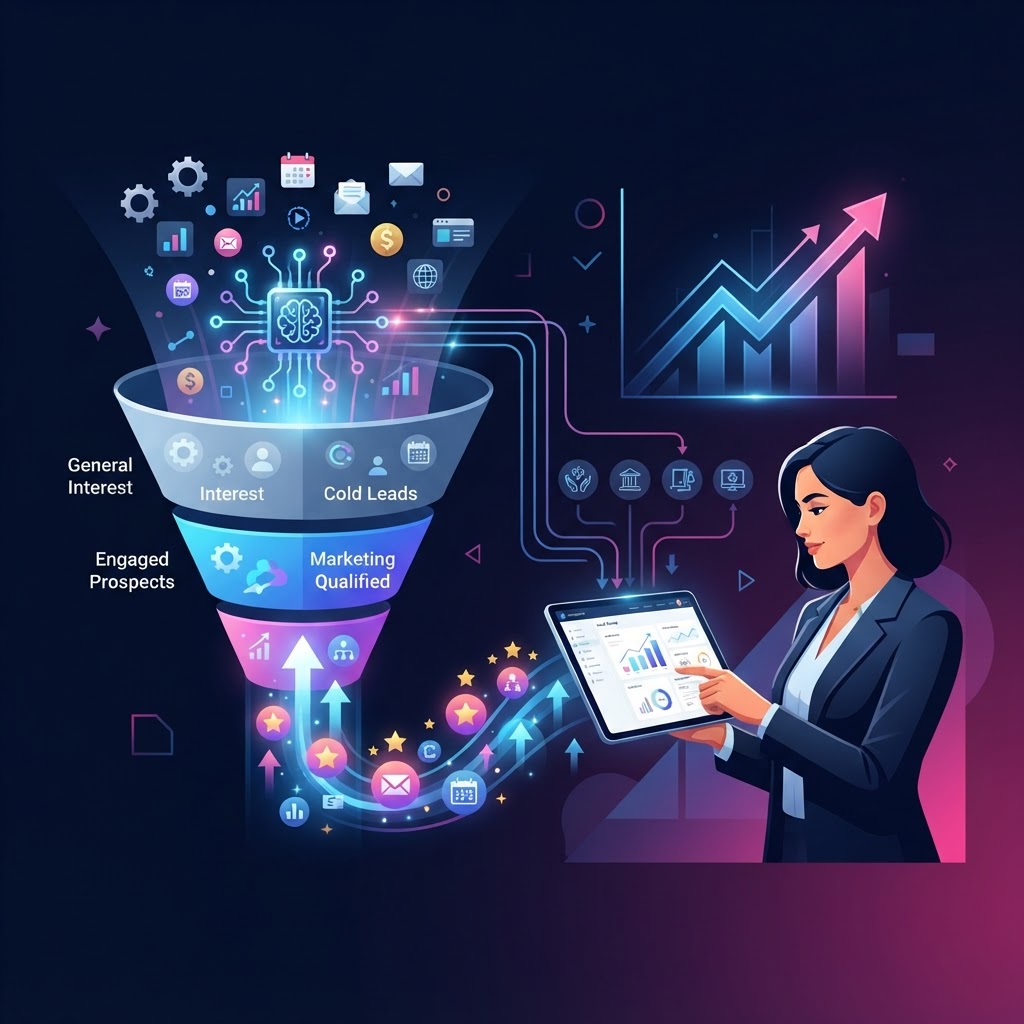
Large brands use enterprise CRM tools to segment their audience. Small businesses can replicate this by using AI-powered email marketing platforms (like Mailchimp or Klaviyo, which now integrate AI tools).
The Tactic: Use AI to analyze your existing customer purchase history to identify patterns.
The Step: Instruct the AI to categorize your email list into segments like "Frequent Buyers," "Holiday Shoppers," and "Lapsed Customers." Then, use the AI to generate personalized subject lines for each segment. A "Lapsed Customer" shouldn’t receive the same "Welcome back" note as a "Frequent Buyer" receives a "New product alert."
Automating the Workflow: The "Human-in-the-Loop" Model
AI is an assistant, not a replacement for your brand’s personality. The key to successful AI marketing is the 80/20 rule: let AI do 80% of the heavy lifting (outlining, first drafts, image generation, data sorting), and spend your 20% adding the "soul." This means verifying facts, adding your unique anecdotes, and ensuring the tone feels like it came from a person, not a machine. Customers can smell robotic content a mile away; your role is to act as the editor-in-chief, not the primary drafter.
Scaling Sustainably
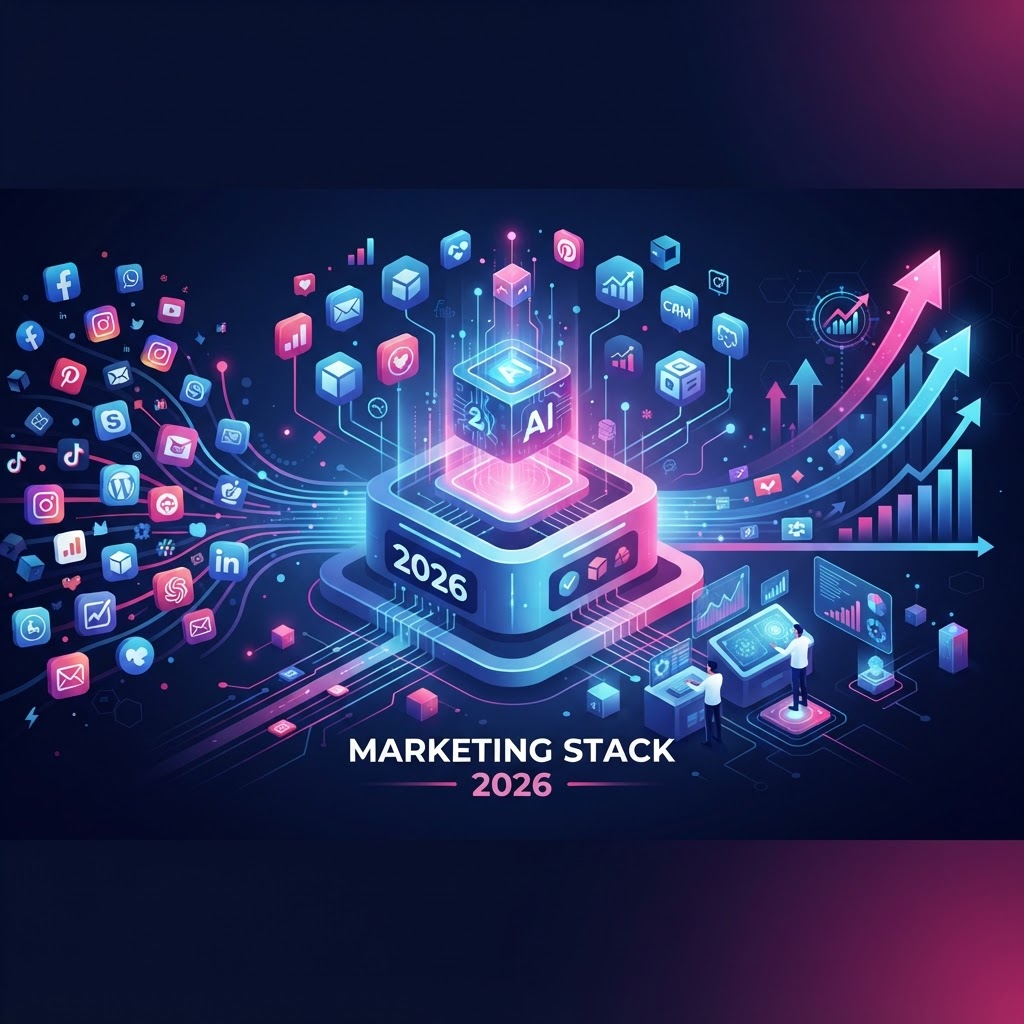
Once you’ve mastered individual posts, look toward automation integration tools like Zapier. You can create "zaps" where a new blog post written by AI is automatically summarized into a tweet, posted to LinkedIn, and added to your email newsletter queue. By building these automations, you stop chasing the "marketing grind" and start managing a marketing ecosystem that works in the background while you focus on high-level strategy and customer service.