If you run a small business, you know that keeping your brand visible is a constant challenge, but here is how to reclaim your time and budget without sacrificing your growth: unify your workflow. When you rely on a disjointed collection of single-purpose apps, you aren't just paying multiple subscription fees; you are paying a massive "coordination tax" in lost time, inconsistent messaging, and missed opportunities. By consolidating your tools, you can streamline your efforts and see what it would write for your business to eliminate manual bottlenecks immediately.
What Are the True Financial Costs of Fragmentation?
The most obvious cost is the "subscription sprawl." According to research from Capterra, small businesses often pay for redundant software features, with many companies underutilizing 30-40% of their software stack's capabilities. When you purchase separate tools for email, social media scheduling, content generation, and image creation, you pay a premium for each license. Beyond the invoice, there is the hidden cost of integration. If your tools don't "talk" to each other, you are manually moving data, which introduces human error and creates dangerous silos in your customer data.
How Does Tool Switching Drain Your Productivity?
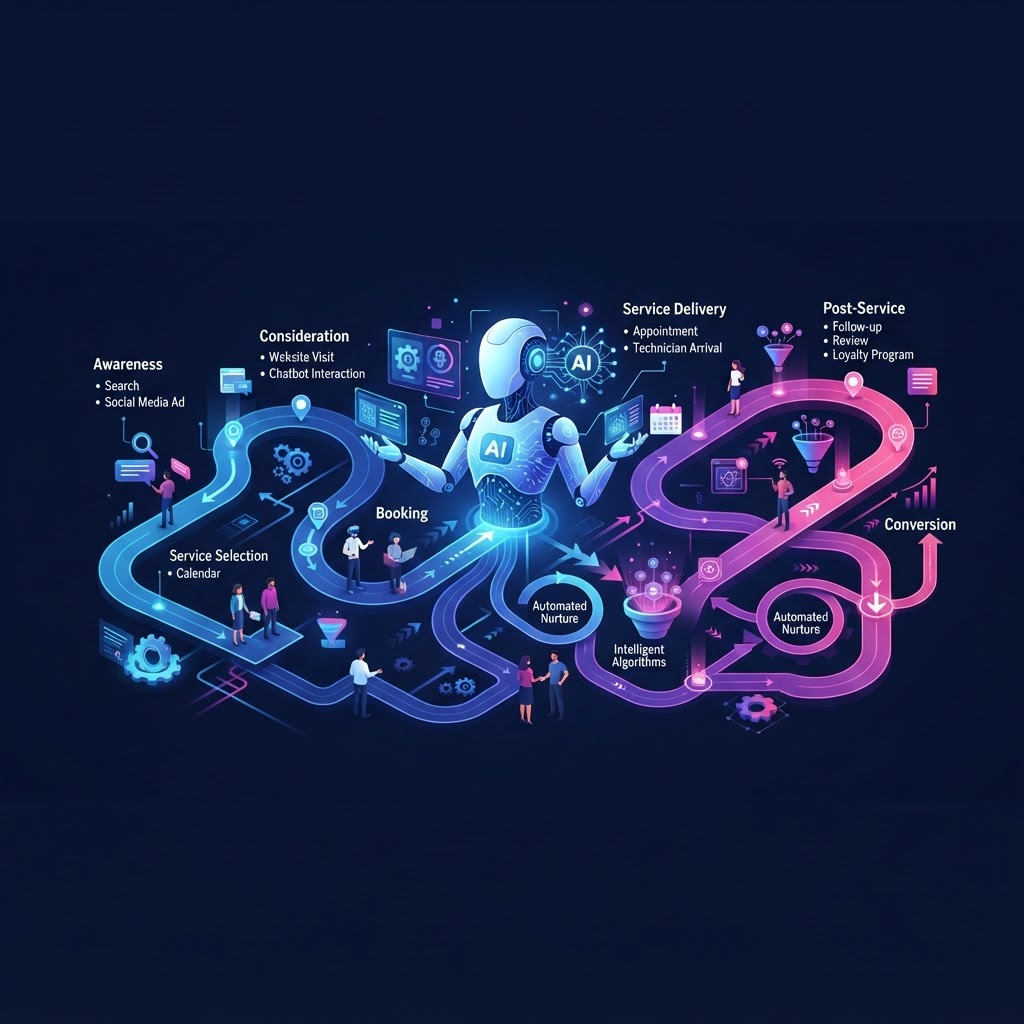
Switching context is a silent productivity killer. Studies published by the American Psychological Association suggest that shifting tasks can cost up to 40% of your productive time. When your social media team has to copy-paste content from an AI generator into a separate scheduling tool, and then check a different analytics dashboard for results, they aren't creating—they are administering. An all-in-one approach to marketing automation allows you to keep your strategy, creation, and distribution within a single, cohesive ecosystem.
Is Your Tech Stack Hurting Your Brand Consistency?
Fragmented stacks make it incredibly difficult to maintain a consistent brand voice. If you use one tool for blogging and another for automated social media posting, your tone, visual style, and engagement metrics become erratic. Consistent branding requires a unified source of truth. When your AI content creation and your distribution channels are integrated, the software "remembers" your brand voice and past successful posts, ensuring your messaging remains sharp and recognizable across every platform.
Putting It Into Practice
Start by auditing your monthly recurring revenue (MRR) spent on software. List every tool and identify which ones overlap. If you are paying for a social media scheduler, a separate AI writing assistant, and an email tool, calculate the total. Then, look for marketing tools for small businesses that offer native orchestration. Aim for systems that handle the end-to-end workflow—from ideation and writing to publishing and analytics. By choosing a platform that prioritizes automated marketing, you effectively stop paying for "middle-man" tasks that you shouldn't be performing manually in the first place.
Common Questions About Marketing Tech Consolidation
Does consolidating mean losing features?
Not necessarily. While some niche tools offer deep, specific features, modern all-in-one platforms are built to provide the 80% of functionality that produces 100% of the growth results for small businesses.
How long does a transition take?
It depends on your current setup, but most businesses can migrate their core scheduling and content creation workflows into a unified platform in less than one business week.
What is the biggest risk of fragmented stacks?
The greatest risk is "data rot." When customer insights, engagement data, and campaign performance are scattered across five different logins, you lose the ability to make data-driven decisions.
Is it better to hire a person or get a better tool?
For most small business owners, the right move is to use AI marketing tools to automate the repetitive tasks first, allowing your human talent to focus on high-level strategy rather than administrative data entry.
Related Reading
- The ROI of Switching to AI-Powered Social Media Automation
- Connecting Every Marketing Channel Into One AI-Run System
- PromoMax vs HubSpot: Bridging the SMB Marketing Automation Gap
See what it writes for YOUR business
Go to promomax.ai right now, enter your website, and get custom posts written for your business in about 30 seconds — free, no credit card. That's hundreds of posts a month on autopilot, written in your voice, published while you run your business. 7-day money-back guarantee, cancel anytime.
Get my free posts