If you run a small boutique e-commerce store, you know the frustration of chasing low-intent window shoppers while your highest-value customers drift away. Predictive AI lead scoring solves this by identifying which visitors are ready to buy today, allowing you to focus your limited time on conversion rather than cold outreach. By utilizing machine learning to analyze past purchase behavior, site engagement, and even social signals, you can prioritize marketing efforts on the leads most likely to generate revenue. This blueprint provides the framework for mastering predictive lead scoring for small e-commerce stores to scale your sales without increasing your headcount.
How does predictive lead scoring work for small businesses?
Predictive lead scoring replaces manual tagging with automated behavioral analysis. Instead of guessing who might buy, your system tracks specific "intent signals"—such as how often they view product details, their engagement with your email campaigns, or the time spent on your checkout pages. To get started, you can see what it would write for your business to begin building the high-converting content that naturally attracts these top-tier leads. According to a 2025 report from Salesforce on AI in retail, businesses that adopt predictive analytics see a 20% increase in conversion rates by aligning their sales focus with customer intent.
What are the essential data points for your model?
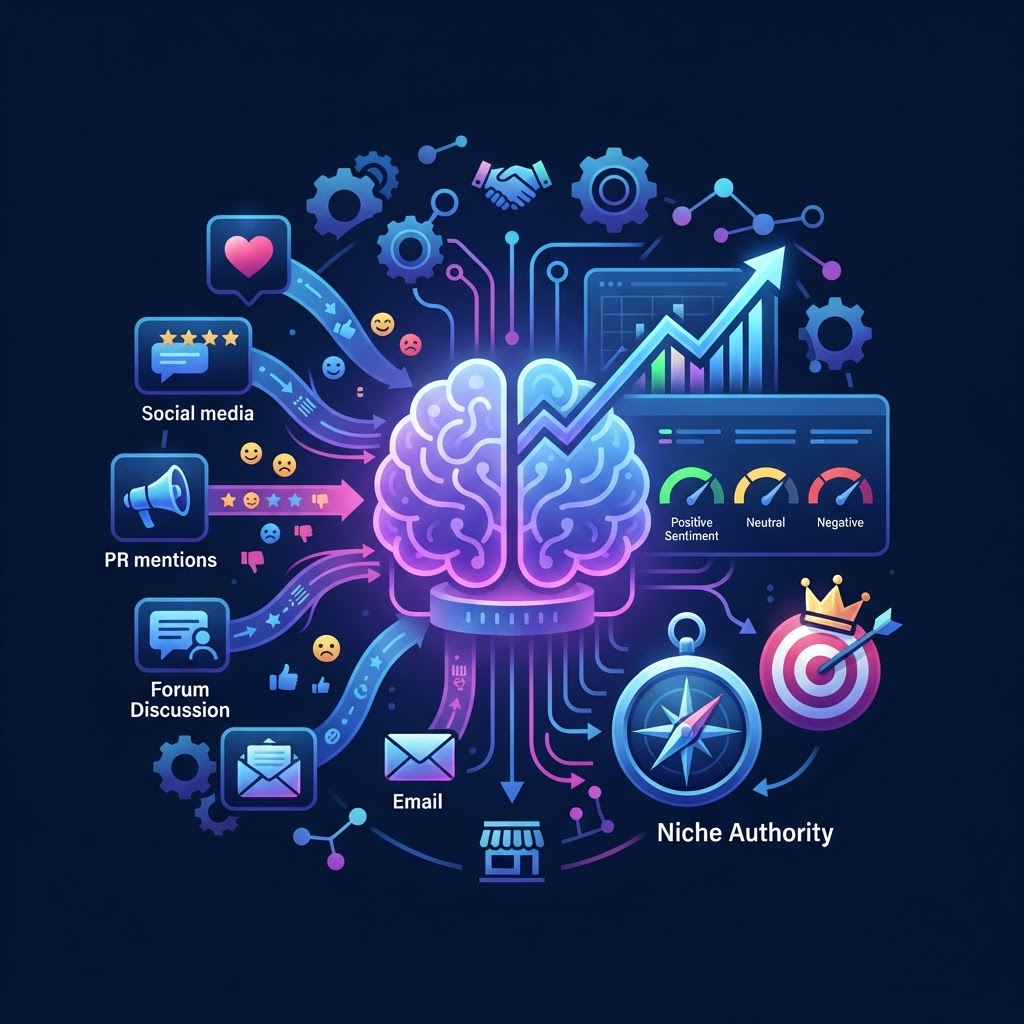
Effective AI-driven customer prioritization for retail requires high-quality data. You must focus on three primary categories: engagement data (click-through rates on emails), transactional history (average order value and recency), and social intent. For those wondering how to score social media leads with AI, focus on monitoring "social listening" metrics—like brand mentions or engagement with specific product launches. When your AI marketing automation tool detects an uptick in interaction from a specific user profile, it triggers a personalized follow-up sequence, ensuring you never miss a hot lead.
How can you implement this without an IT department?
You don't need a data science team to leverage predictive intelligence. Most modern marketing automation software now integrates machine learning directly into the dashboard. Start by defining your "North Star" metric—usually the action that precedes a purchase—and configure your system to rank users based on their proximity to that action. This form of marketing on autopilot ensures that your most expensive ad spend is directed toward users who have already shown a high likelihood of conversion, effectively lowering your Customer Acquisition Cost (CAC).
Putting It Into Practice
Begin by mapping your customer journey. Identify the specific interactions that indicate a user is "hot" versus "cold." Once defined, use AI social media marketing to push tailored content to those high-scoring segments. Remember, the goal isn't to capture everyone; it is to capture the right person at the right time. By auditing your AI marketing for small business strategy quarterly, you ensure your scoring model evolves alongside your customer base.
FAQ
How much data do I need to start?
You can begin with as little as 3-6 months of historical sales and site traffic data. While more data improves accuracy, modern AI models are highly effective at finding patterns even in modest datasets.
Is this technology affordable for boutique brands?
Yes. Many marketing tools for small businesses now include predictive features as part of standard subscription tiers, removing the need for custom-built enterprise solutions.
Can I track social media leads effectively?
Absolutely. By linking social engagement to your CRM through unified AI marketing orchestration, you can assign scores to followers based on how they interact with your brand's social content.
How often should I adjust my scoring rules?
You should review your lead scoring criteria every 90 days. Market trends change, and seasonal shifts in consumer behavior will require you to tune your AI parameters to maintain peak accuracy.
Related Reading
- Unlocking Predictive Engagement: AI Lead Scoring for Niche Services
- Connecting Every Marketing Channel Into One AI-Run System
See what it writes for YOUR business
Go to promomax.ai right now, enter your website, and get custom posts written for your business in about 30 seconds — free, no credit card. That's hundreds of posts a month on autopilot, written in your voice, published while you run your business. 7-day money-back guarantee, cancel anytime.
Get my free posts