If you run a small business, this guide on Social Media Automation Explained shows you exactly what works, what to skip, and how to get results without extra hours.
Short on time? Enter your website and see what it would write for your business — free, in about 30 seconds.
What Is Social Media Automation?
At its core, social media automation is the use of software and algorithms to execute repetitive tasks without manual intervention. However, it is a mistake to view automation as a monolithic concept. It exists on a spectrum defined by two primary levels:
- Basic Automation (Scheduling): This involves using tools to "queue" content. You create the asset, write the caption, and set a time for it to go live. The software acts as a gatekeeper, releasing your content at the designated moment.
-
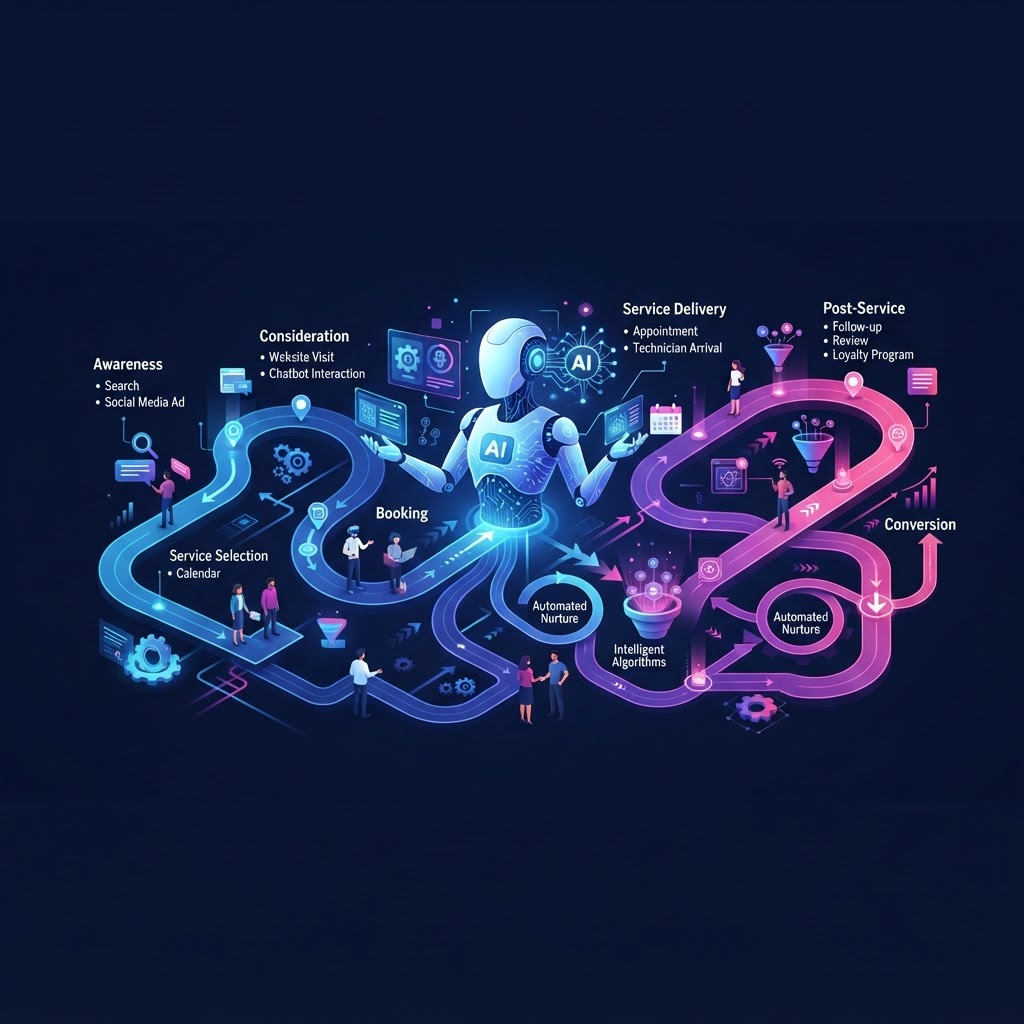
- Full Automation (End-to-End Execution): This represents the evolution of social strategy. Full automation leverages AI-driven platforms to handle the lifecycle of a post: identifying high-performing topics, generating the creative assets, drafting copy tailored to specific platform demographics, and optimizing the publishing schedule based on real-time audience engagement data.
-
1. Data Synthesis and Topic Selection
At its core, social media automation is the use of software and algorithms to execute repetitive tasks without manual intervention. However, it is a mistake to view automation as a monolithic concept. It exists on a spectrum defined by two primary levels:
- Basic Automation (Scheduling): This involves using tools to "queue" content. You create the asset, write the caption, and set a time for it to go live. The software acts as a gatekeeper, releasing your content at the designated moment.
- Full Automation (End-to-End Execution): This represents the evolution of social strategy. Full automation leverages AI-driven platforms to handle the lifecycle of a post: identifying high-performing topics, generating the creative assets, drafting copy tailored to specific platform demographics, and optimizing the publishing schedule based on real-time audience engagement data.
Modern automation tools utilize machine learning to scan your industry, competitor pages, and current news cycles. Instead of brainstorming from a blank page, the software suggests trending themes relevant to your niche. It analyzes what your specific audience has interacted with in the past to predict what they want to see next.
2. Generative Content Creation
Once a topic is chosen, the engine generates the creative components. This includes writing platform-specific copy (e.g., professional and concise for LinkedIn, visual and snappy for Instagram) and sourcing or generating imagery. Advanced tools allow you to input your brand guidelines—fonts, color palettes, and tone of voice—ensuring the output remains consistent with your company identity.
3. Algorithmic Scheduling
Rather than relying on human intuition, full automation uses historical engagement data to determine the "golden hours" for your specific audience. It schedules posts not just when you are available, but when your followers are most likely to click, comment, and share.
4. Automated Publishing and Syncing
The content is deployed across all channels simultaneously, maintaining cross-platform cohesion. The software then monitors the post-publishing performance, feeding data back into the system to refine future content suggestions.
Practical Tactics for Implementing Automation
To integrate automation effectively without losing the "human touch," follow these tactical steps:
Step 1: Audit Your Time. Track how many hours your team spends on manual uploading versus creative strategy. If you are spending 80% of your time on manual tasks, automation is an immediate necessity.
Step 2: Define Your Brand "Guardrails." Before automating, feed your tool your brand voice guide. Define forbidden phrases, your preferred tone (e.g., conversational vs. authoritative), and your color hex codes. This prevents the "robotic" feel that plagues poorly managed automated accounts.
Step 3: Implement the 80/20 Rule. Automate 80% of your evergreen, informative, and routine content. Reserve the remaining 20% for human-led, real-time responses to current events or spontaneous community interaction. This keeps your feed authentic while maintaining a consistent volume.
Step 4: Establish an Engagement Protocol. Automation should never handle sensitive customer service complaints. Create a workflow where the automation handles "Top of Funnel" content distribution, but alerts a human moderator when a user asks a direct question or expresses a complaint.
The Benefits of Moving Beyond Basic Scheduling
The transition from manual scheduling to full automation offers a competitive advantage in three ways: consistency, scalability, and data accuracy. When your presence is automated, you stop missing peak traffic times due to weekends or holidays. Furthermore, you can scale to ten social channels with the same effort previously required for one. Finally, because the system is constantly measuring performance, your strategy becomes data-driven rather than intuitive, leading to higher ROI on your social efforts.
Related Reading
- The Future of Generative AI in Social Media Marketing
-
- How to Maintain Brand Authenticity in the Age of Automation
-
- Maximizing Engagement: A Guide to Data-Driven Scheduling
-
See what it writes for YOUR business
Go to promomax.ai right now, enter your website, and get custom posts written for your business in about 30 seconds — free, no credit card. That's hundreds of posts a month on autopilot, written in your voice, published while you run your business. 7-day money-back guarantee, cancel anytime.
See what it writes for YOUR business
Go to promomax.ai right now, enter your website, and get custom posts written for your business in about 30 seconds — free, no credit card. That's hundreds of posts a month on autopilot, written in your voice, published while you run your business. 7-day money-back guarantee, cancel anytime.