If you run a small business, this guide on What Is AI Marketing shows you exactly what works, what to skip, and how to get results without extra hours.
Short on time? Enter your website and see what it would write for your business — free, in about 30 seconds.
At its core, AI marketing is the use of artificial intelligence technologies to make automated decisions based on data collection, data analysis, and additional observations of audience or economic trends that may impact marketing efforts. While the term sounds futuristic, it is effectively the practice of using machine learning and predictive analytics to solve marketing problems faster and more accurately than a human team could on their own.
Instead of relying on intuition or manual A/B testing that takes weeks to yield results, AI marketing tools process millions of data points in seconds to identify exactly what your customer wants, when they want it, and which message will convert them.
The Mechanics: How AI Powers Marketing
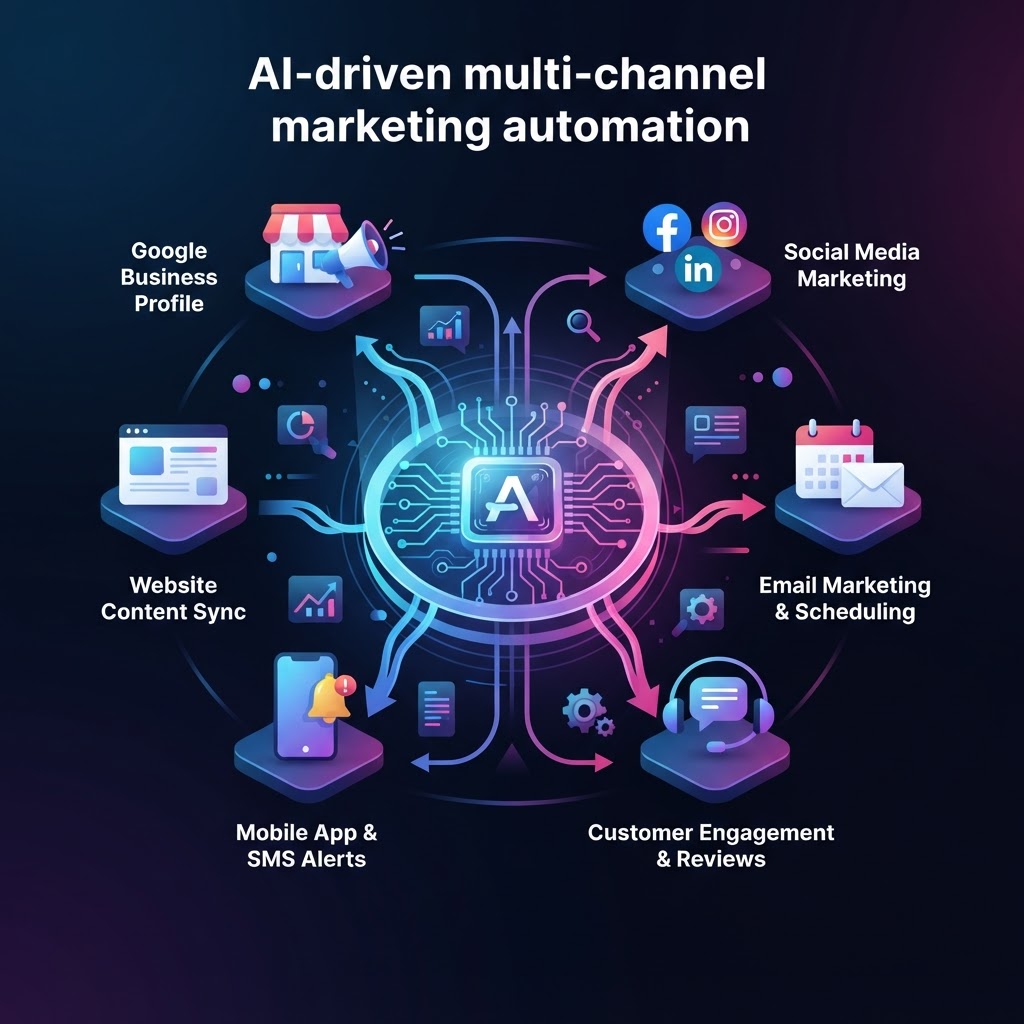
AI marketing functions by ingesting raw data from your CRM, website analytics, social media channels, and advertising platforms. It then uses algorithms to find patterns that a human eye might miss. For example, AI can identify that a specific segment of your audience is 70% more likely to purchase a product on a Tuesday evening if they receive an email with a blue-hued image rather than a red one.
The system operates in three distinct phases:
- Data Aggregation: Collecting disparate data from social, web, and sales sources into a unified profile.
- Predictive Analytics: Forecasting future customer behavior based on historical trends.
- Automated Execution: Triggering the delivery of content, bids, or notifications without manual intervention.
Practical Tactics for Implementation
Implementing AI marketing doesn't require a Ph.D. in computer science. You can start by integrating these three specific, high-impact strategies into your current workflow:
1. Dynamic Content Personalization
Stop sending generic newsletters. Use AI-driven recommendation engines (similar to the ones used by Amazon or Netflix) to display different products to different users. If a customer recently viewed "running shoes" on your site, an AI tool can automatically swap out the hero image in your email campaign to feature athletic gear instead of casual wear. This individualization drastically increases click-through rates.
2. Predictive Lead Scoring
In traditional B2B marketing, lead scoring is often manual and subjective. AI changes this by analyzing your entire sales history to determine which characteristics correlate with a closed-won deal. The AI then assigns a "propensity to buy" score to every new lead in your pipeline. Sales teams can then focus their energy only on the leads with the highest probability of closing, rather than cold-calling every contact in the database.
3. Real-Time Ad Bidding
Managing ad spend across Google and Meta is complex. AI-powered bid management tools adjust your spending in real-time. If an ad starts performing poorly at 2:00 PM, the AI can automatically pause it or shift the budget toward an ad set that is gaining traction. This "set it and forget it" approach ensures you aren't wasting your budget on low-conversion segments.
Steps to Getting Started
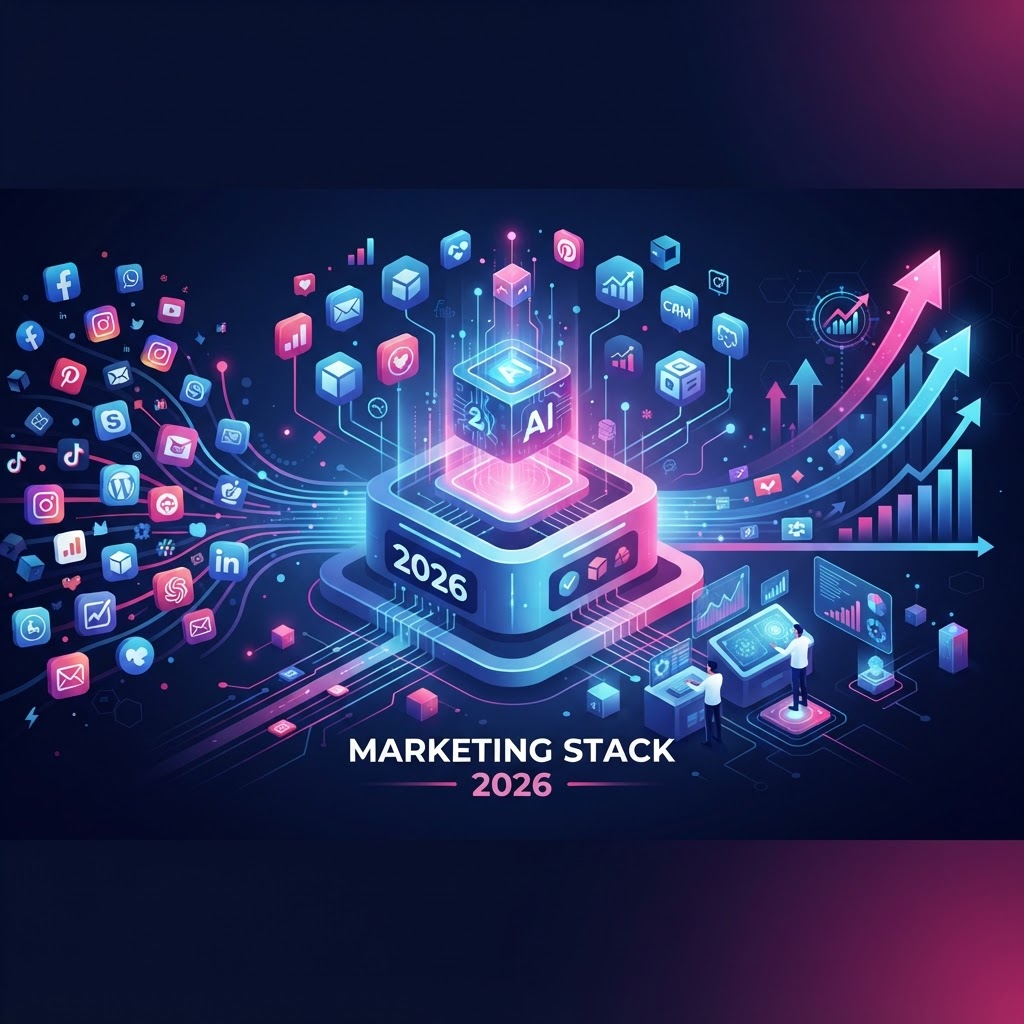
If you are ready to move beyond the theory, follow these steps to integrate AI into your marketing stack:
- Audit Your Data Hygiene: AI is only as good as the data it receives. Ensure your CRM and website analytics are tracking clean, accurate data. If your data is siloed or messy, start by unifying your tracking systems.
- Start Small with "Low-Risk" Automation: Don't try to automate your entire strategy overnight. Begin by using an AI-writing assistant for blog outlines or an AI-scheduling tool that optimizes posting times based on audience engagement.
- Establish a Baseline: Before activating an AI tool, record your current metrics (e.g., email open rates, conversion rates, or CPA). Run the AI tool for 30 days and compare the results to your baseline to measure actual ROI.
- Human-in-the-Loop Oversight: Never let AI operate in a total vacuum. Always keep a human reviewer for outgoing content and high-budget campaigns to ensure the AI hasn't hallucinated or drifted off-brand.
The Future of the Marketing Team
The goal of AI marketing is not to replace the human marketer, but to eliminate the drudgery of data entry and repetitive execution. By offloading the "heavy lifting" of data analysis and content scaling to AI, marketing teams gain the mental bandwidth to focus on what matters most: brand strategy, creative storytelling, and building deep, emotional connections with their audience.
As you integrate these tools, remember that AI is a tool, not a strategy. Use it to amplify your unique brand voice, not to replace it.
Related Reading
- The Ethics of AI in Content Creation
- Comparing Predictive Analytics vs. Traditional Reporting
- Building a Data-First Marketing Stack for Small Businesses
See what it writes for YOUR business
Go to promomax.ai right now, enter your website, and get custom posts written for your business in about 30 seconds — free, no credit card. That's hundreds of posts a month on autopilot, written in your voice, published while you run your business. 7-day money-back guarantee, cancel anytime.
Get my free posts