Why You Need a 'Marketing Agent' Instead of a Tool
You have a marketing tool stack, but you still spend your weekends managing campaigns. Most businesses are stuck in a loop of 'tool fatigue,' where they use individual software for social media, email, and content generation, but manually bridge the gap between them. The difference between an AI marketing agent vs tool isn't just a marketing buzzword; it is a shift from manual execution to autonomous problem-solving.
The Core Difference: Software vs. Autonomy
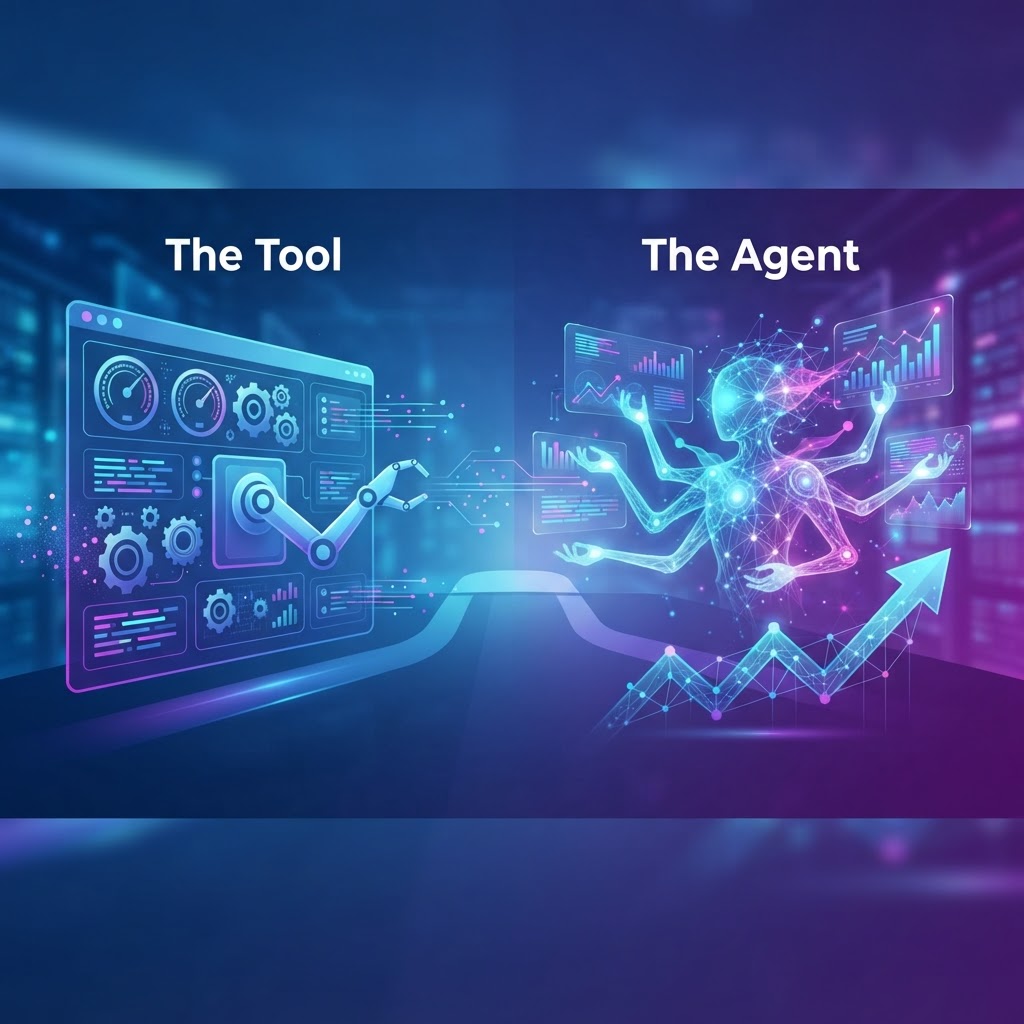
A marketing tool is a static utility. It waits for you to define inputs, set parameters, and press 'go.' If you want to post to social media, you log in, write the caption, choose the image, and hit publish. If the engagement metrics drop, the tool doesn't care; it just waits for your next manual instruction.
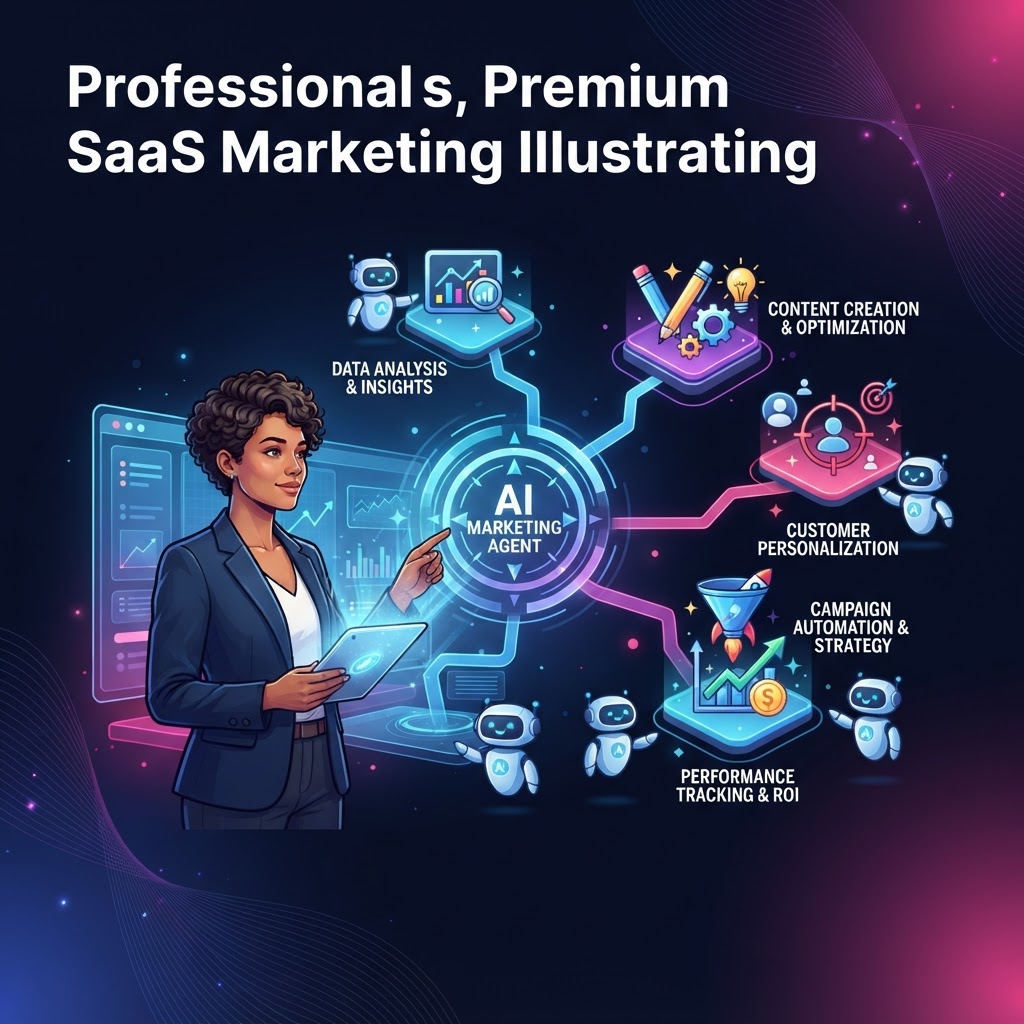
An AI agent is designed for marketing intelligence. It is built to execute workflows autonomously. Instead of asking it to 'write a post,' you set a goal: 'Improve engagement on our LinkedIn page.' The agent analyzes previous high-performing posts, researches current industry trends, drafts the content, and adjusts its own strategy based on real-time performance data. It functions more like a specialized employee than a calculator.
The Limits of Traditional Marketing Tools
Most small business owners are drowning in a fragmented tech stack. You have a subscription for social media scheduling, another for email automation, and a separate one for blog writing. The primary challenge isn't the feature set of these tools—it’s the mental overhead required to make them talk to each other.
When you use isolated tools, you are the 'glue' holding the strategy together. You must synthesize data from your CRM, move that data into your email platform, and then manually adjust your content calendar. This is why marketing automation software often feels like a full-time job in itself.
How AI Agents Change the Game
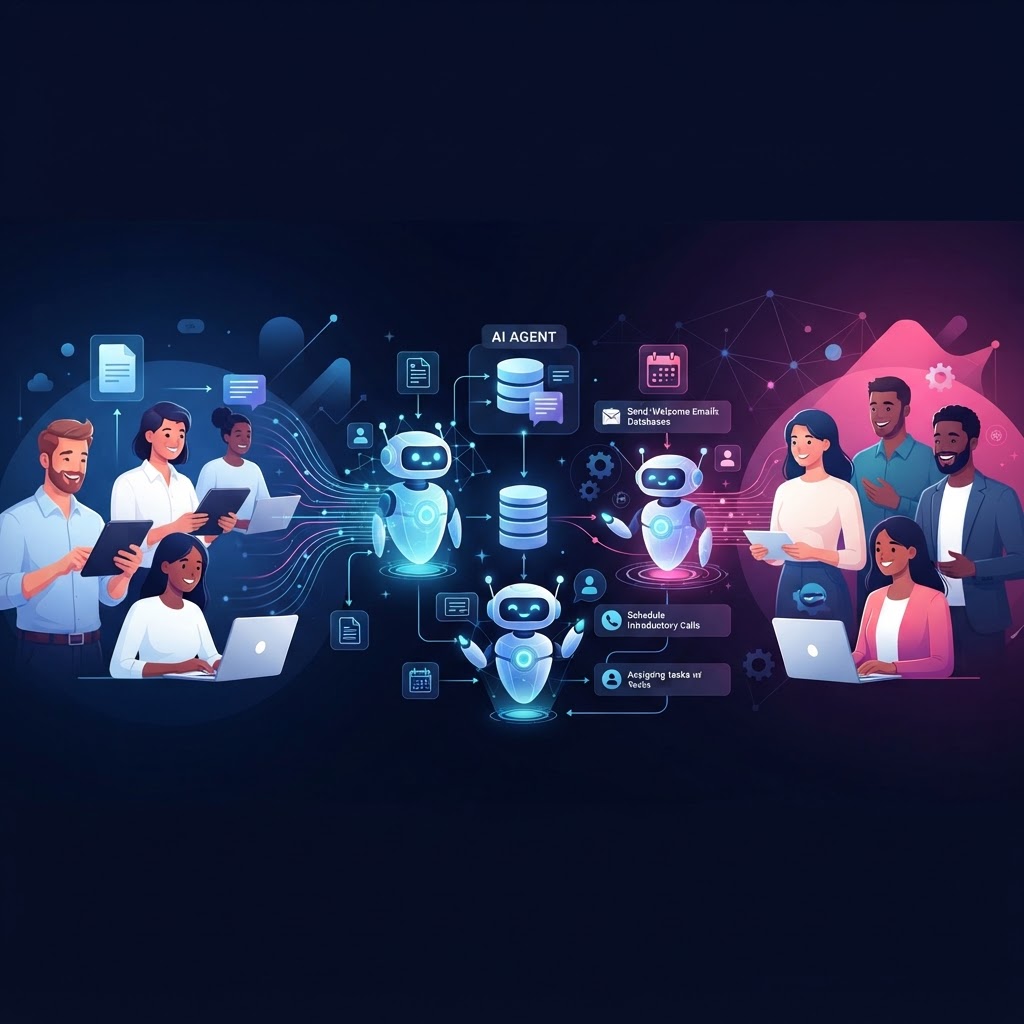
Autonomous agents handle the decision-making process. They do not just execute tasks; they interpret outcomes. If an email campaign has a low open rate, a true AI agent can A/B test subject lines automatically, learn which time of day results in the highest clicks, and iterate the strategy for the next send.
This is the shift toward automated marketing that actually drives ROI without requiring daily supervision. You stop managing features and start managing objectives.
Putting It Into Practice
Start by identifying the tasks that take up your most valuable time—the recurring, manual decision points. If you are constantly checking metrics to see if a post worked, that is a prime candidate for an agent. To get started:
- Audit your stack: Note how much time you spend switching between tabs to sync data.
- Set goals, not tasks: Instead of listing 'write three tweets,' define the desired outcome: 'drive traffic to our small business marketing resources.'
- Test autonomous workflows: Look for platforms that offer end-to-end management rather than just single-task generation.
How PromoMax Can Help
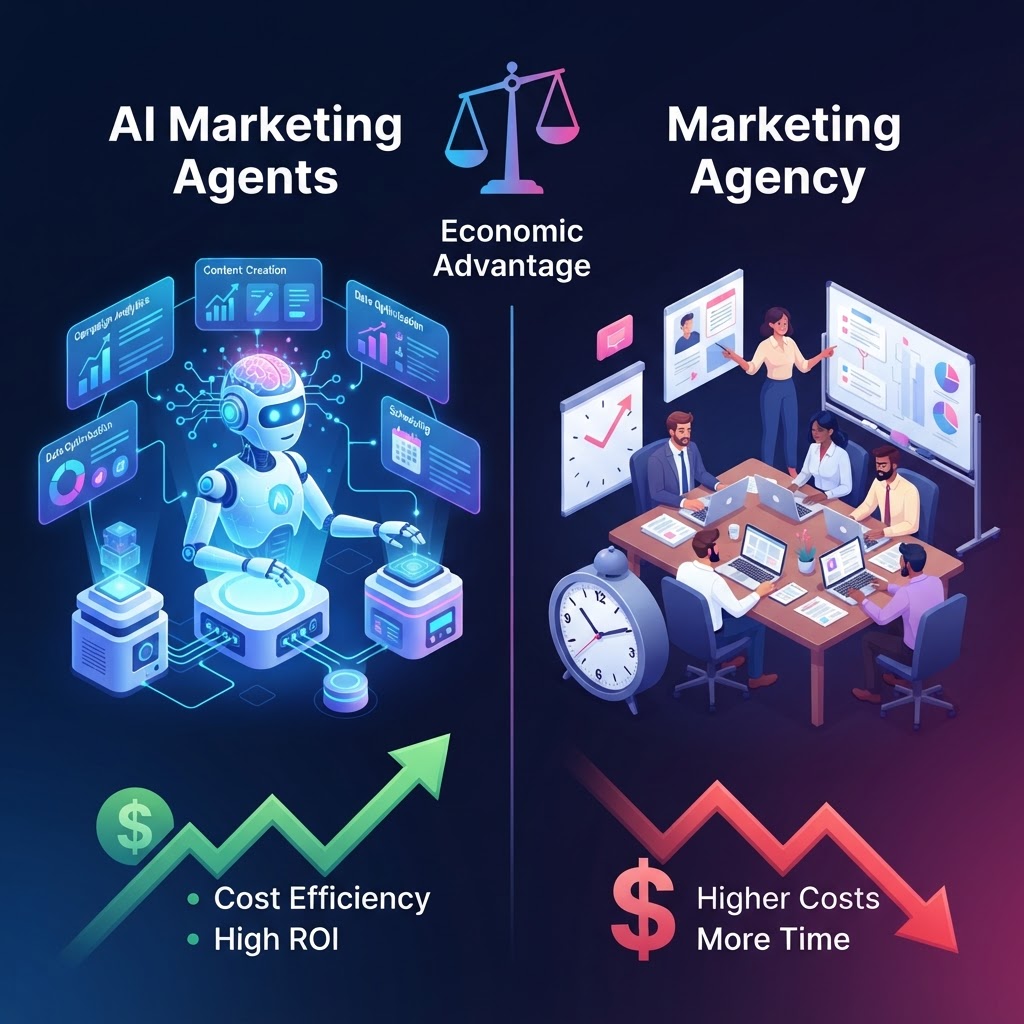
At PromoMax, we move beyond static software. Our platform is built to act as an AI marketing team that works 24/7. By connecting your business goals to our autonomous systems, you can move from manual execution to marketing without an agency. Whether you need AI social media marketing or a comprehensive approach to automated AI marketing, our agents take care of the heavy lifting so you can focus on running your business.
Related Reading
Your AI Marketing Team, Working 24/7
Stop managing tools and start scaling your results. PromoMax delivers the intelligence and automation you need to compete without the headache of manual operation. Take back your time and let our autonomous agents handle the day-to-day grind.